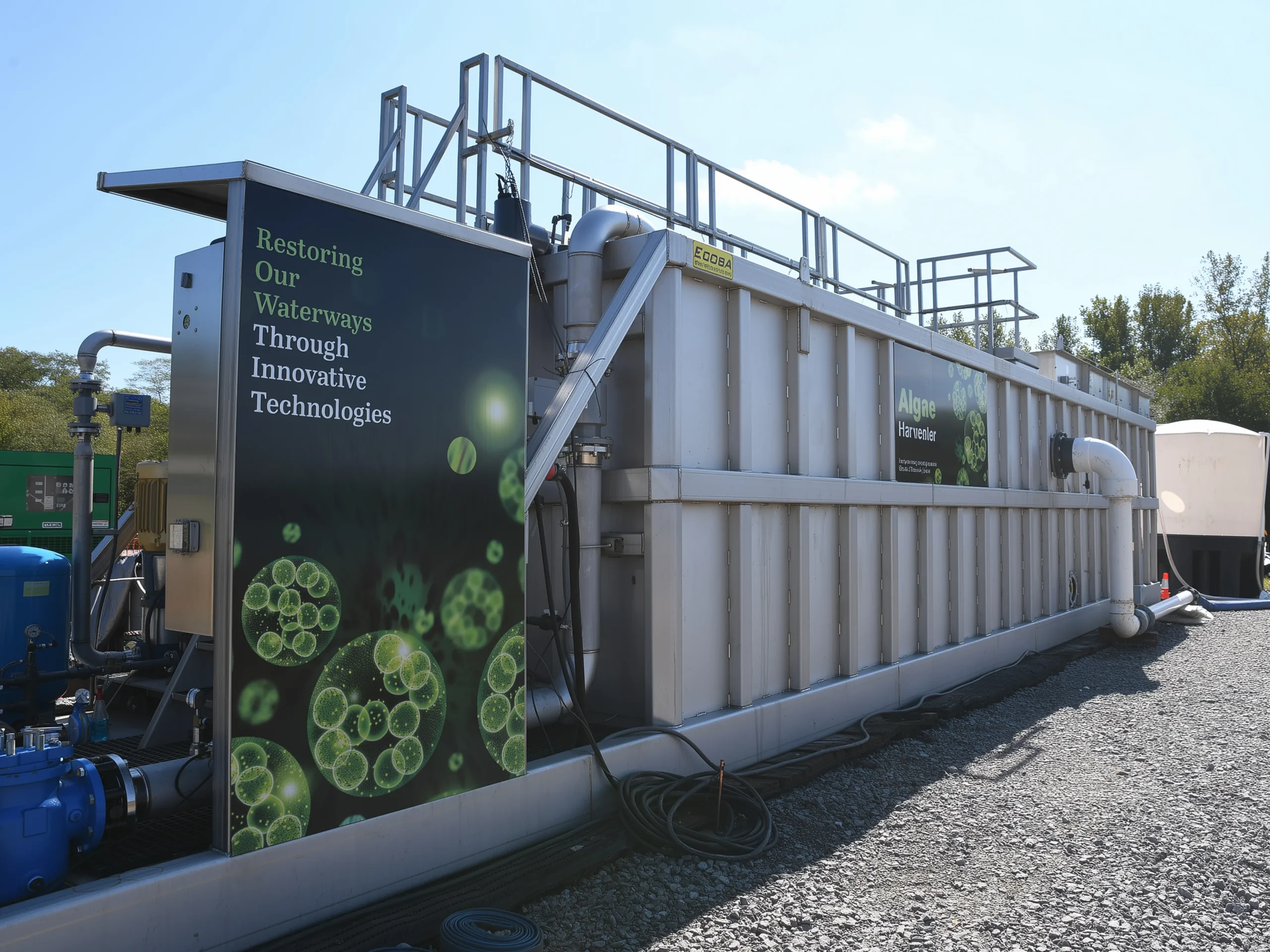
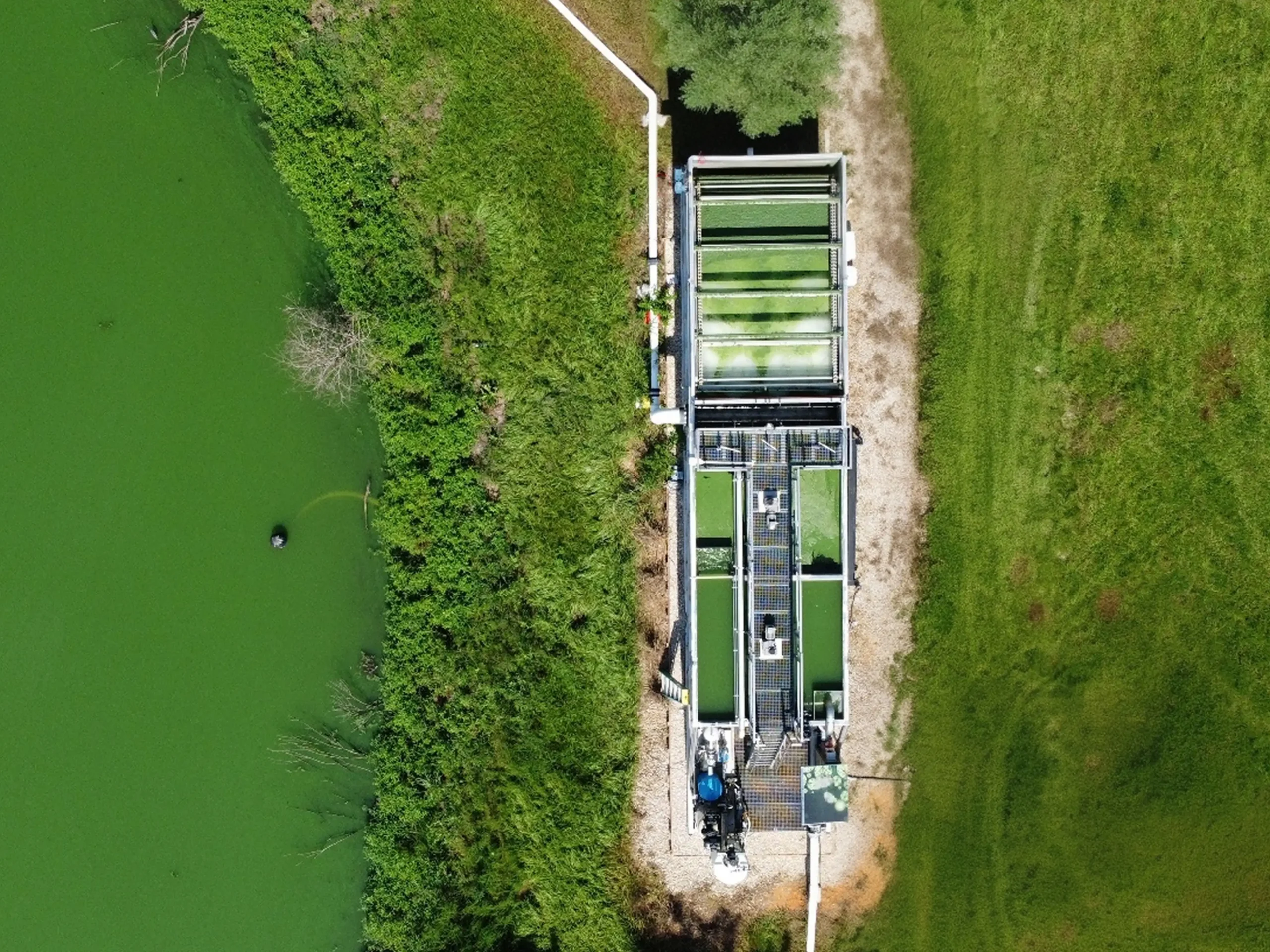
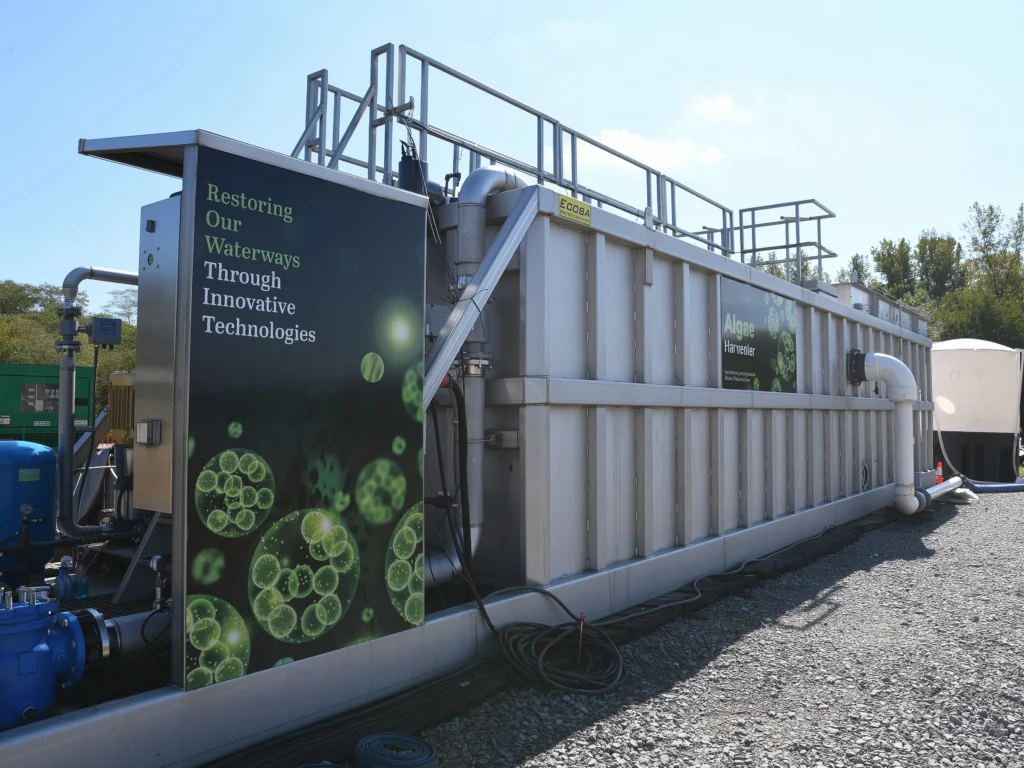
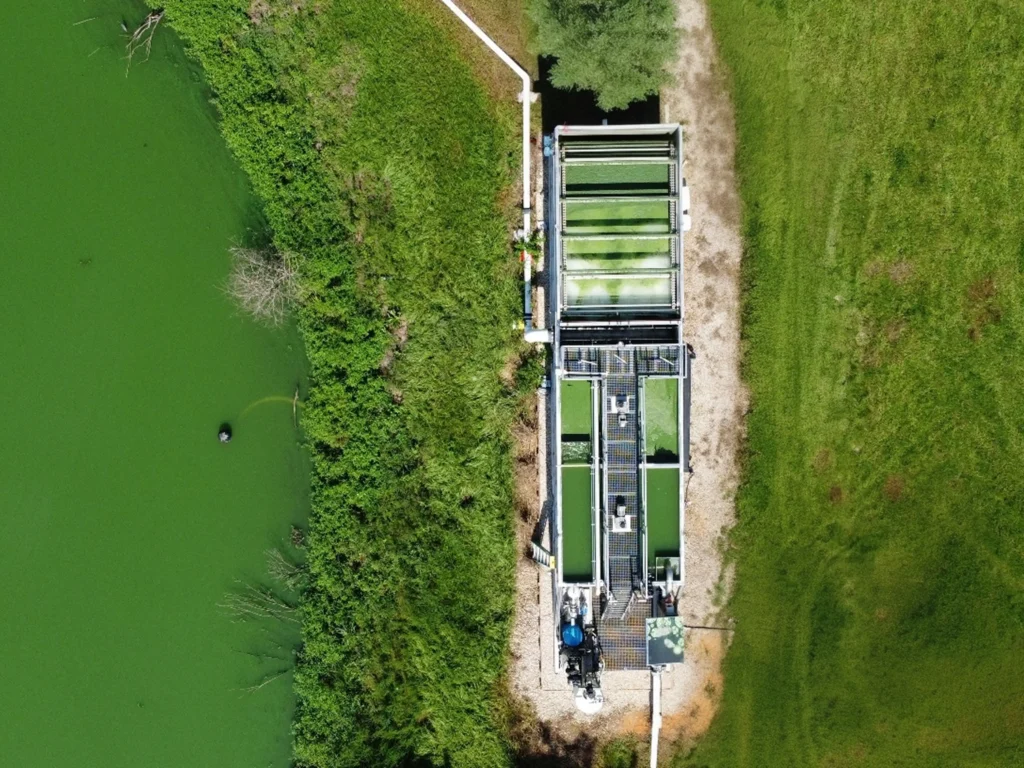
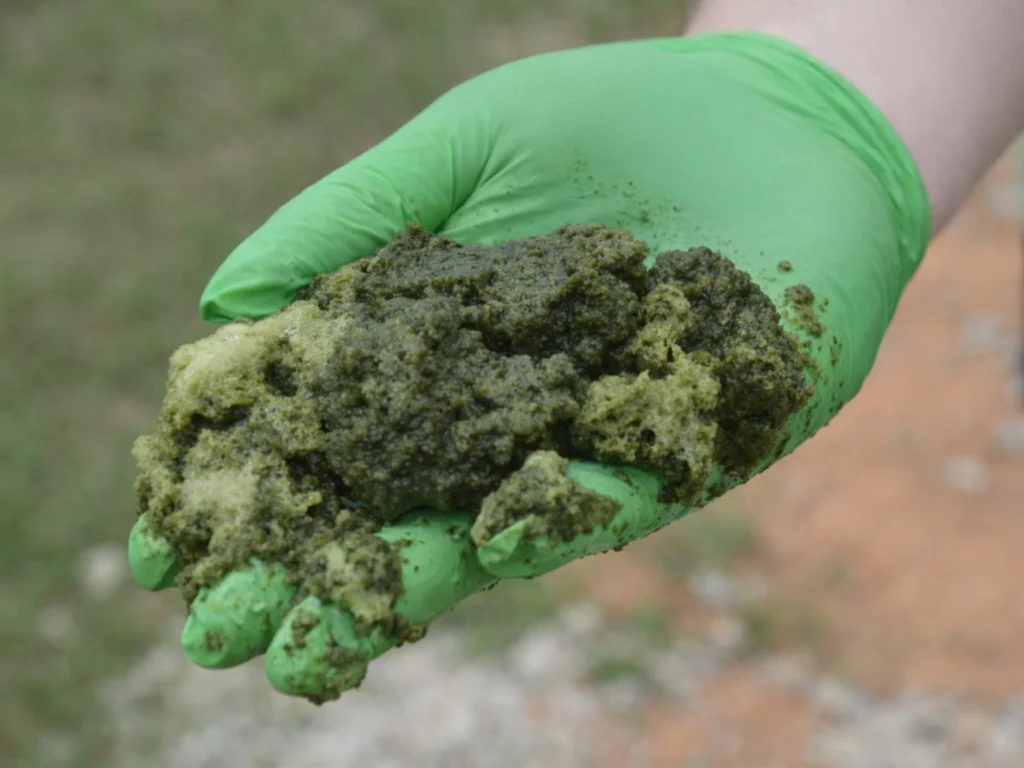
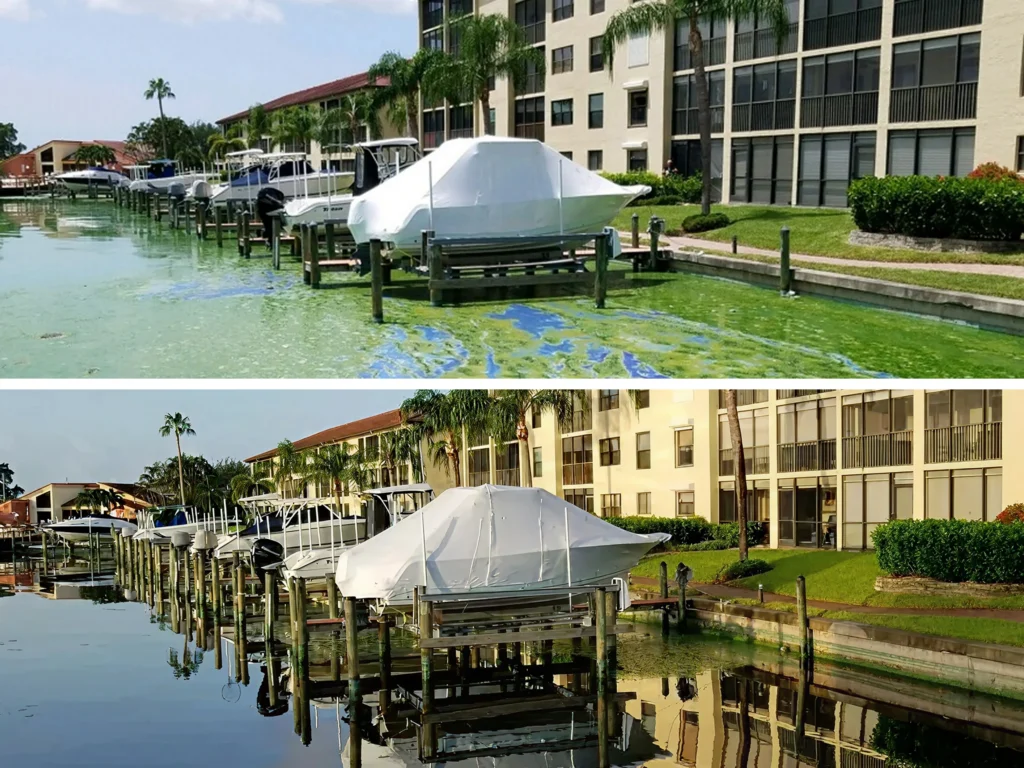
By removing algae cells intact, HFT™ captures the nitrogen, phosphorus, and organic carbon contained within the algae, permanently removing those nutrients from the system rather than allowing them to recycle back into the water column.
This distinction matters. Conventional approaches like chemical treatment or algaecides suppress algae temporarily but leave nutrients in place, setting the stage for the next bloom event. HFT removes the source of the problem, not just the symptom.
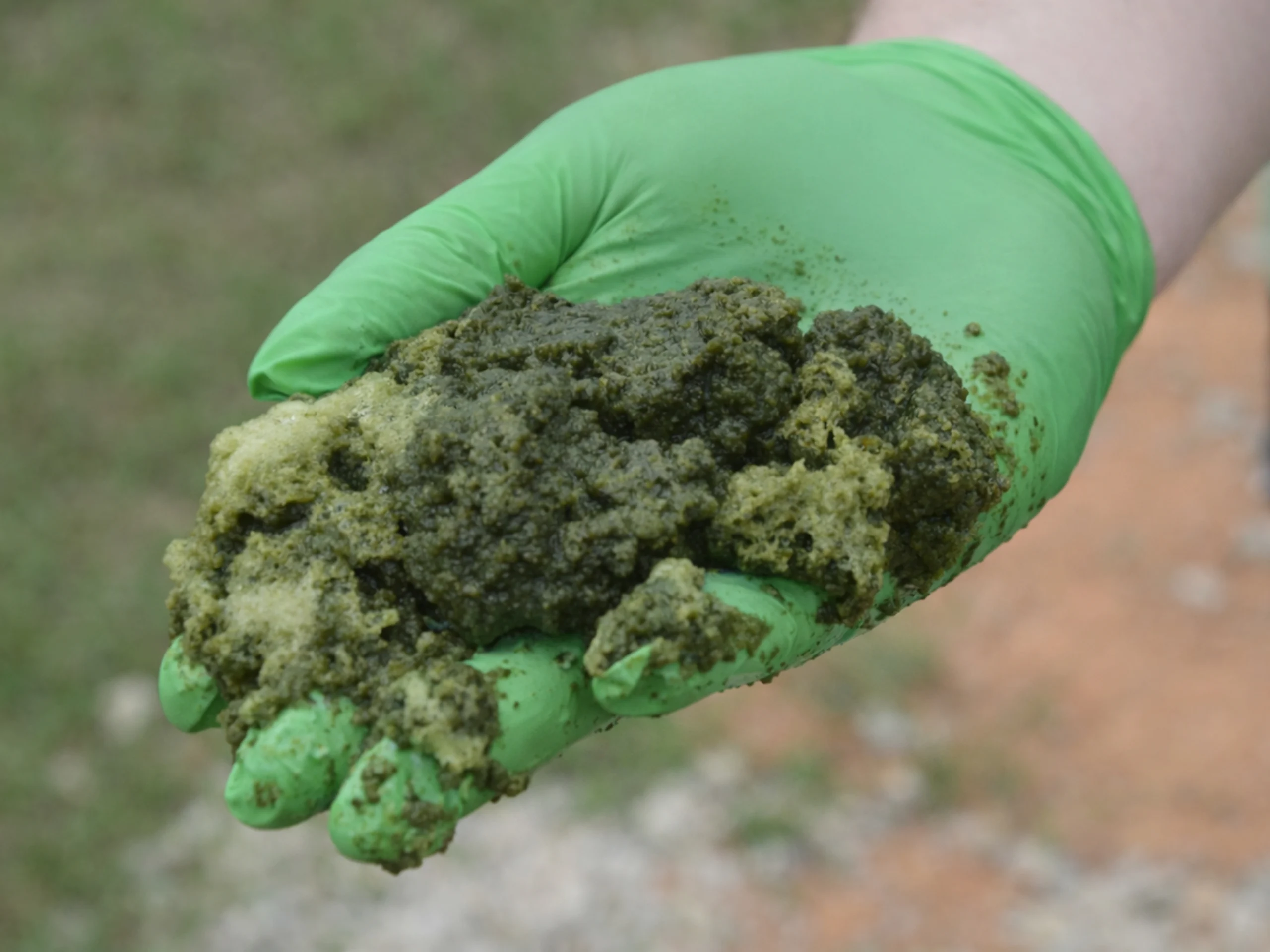
The harvested biomass becomes feedstock for downstream resource recovery, closing the loop between water restoration and renewable value.

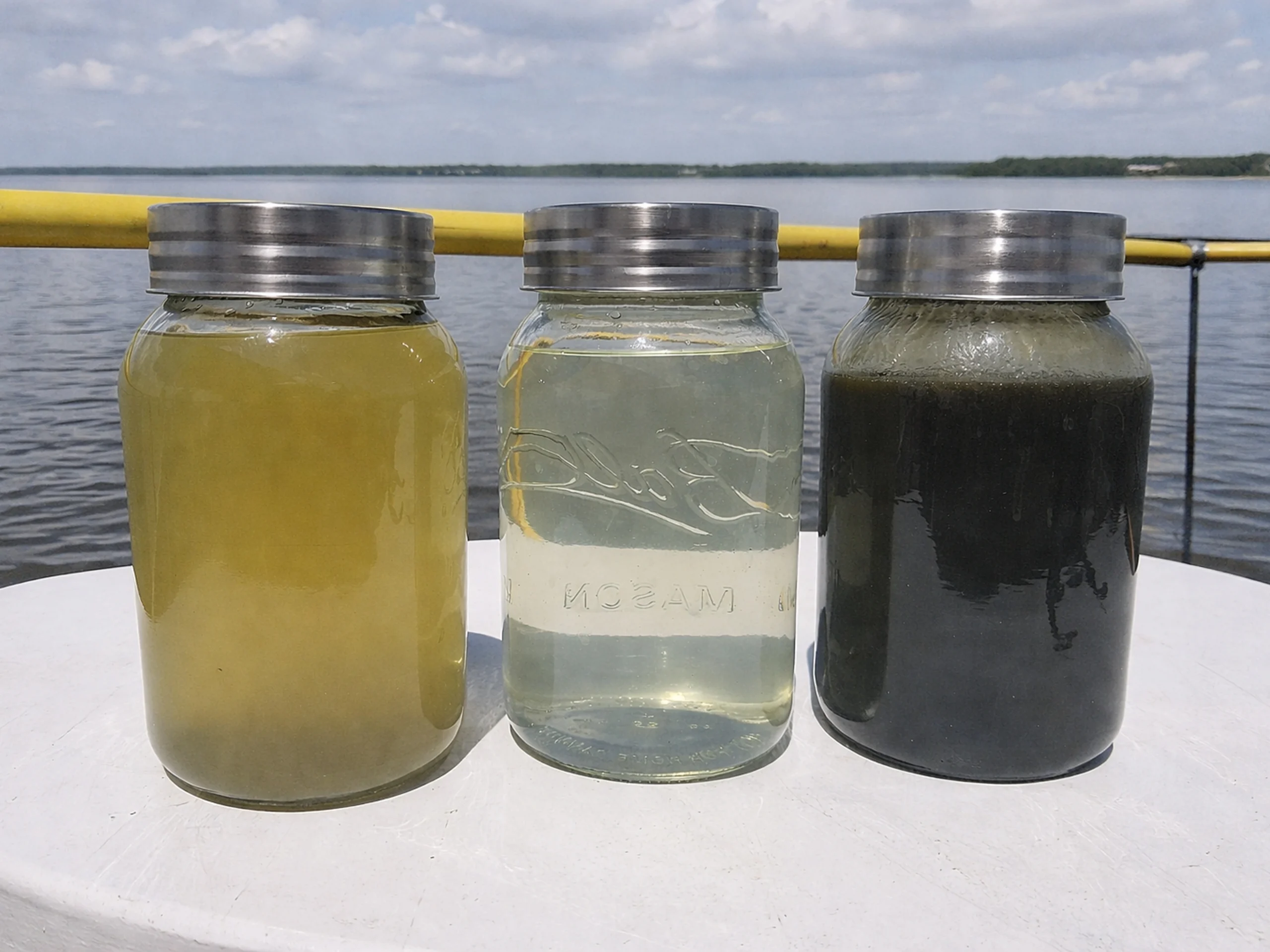
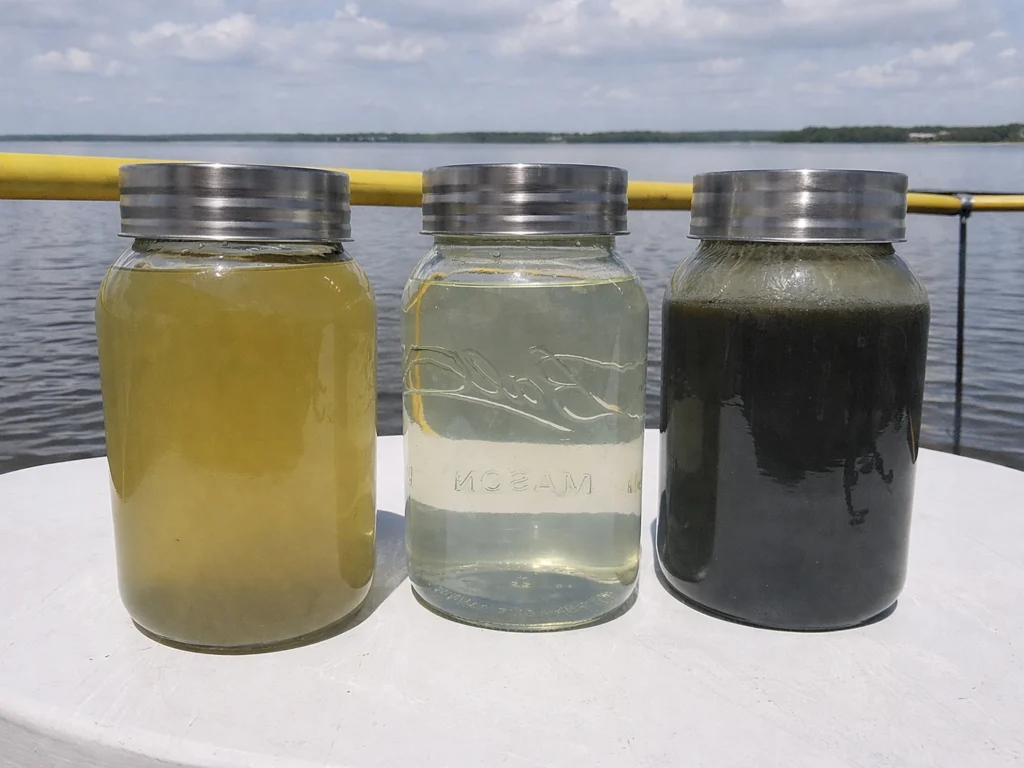
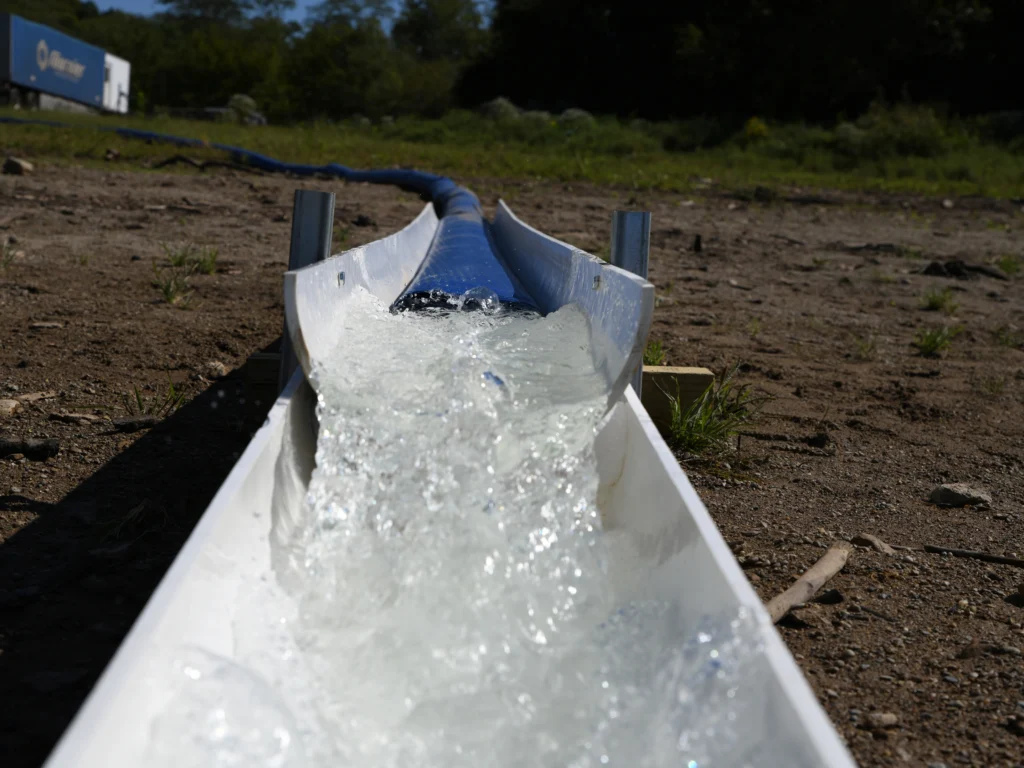
HFT™ doesn’t just remove what’s harmful, it returns water that actively supports recovery. Clear, highly oxygenated effluent restores light penetration, revives aquatic habitat, and gives ecosystems the conditions they need to heal.
Healthier water means healthier shorelines, restored recreational access, and communities that can rely on their waterways again
Extracting intact biomass removes more than algae — it removes the carbon, nitrogen, and phosphorus stored within it, permanently reducing the nutrient load in the system.
That harvested biomass doesn’t go to waste. Its carbon-rich composition makes it an ideal feedstock for HTL™ conversion into renewable biocrude oil, or as a nutrient-dense input for biofertilizers. What enters HFT™ as a water quality problem, leaves as a resource with real value.
By performing the heavy lift of nutrient and biomass removal, HFT™ gives natural processes the space to do what they do best. Oxygen dynamics stabilize, ecological succession resumes, and microbial communities begin rebuilding healthier, more resilient water conditions. Instead of fighting nature, we reset the system so it can recover.