
The Challenges We Face
Water quality and waste management are no longer isolated concerns, they are complex, interconnected challenges reshaping how communities plan, invest, and grow. Temporary fixes are no longer enough. The right solutions don't just address the problem — they transform it into opportunity.
BlueCycle addresses water and
nutrient challenges at every stage
Intercepting nutrients upstream
Restoring impacted waterways
Transforming waste into renewable value
Each technology is powerful on its own. Together, they close the loop.
Nutrient Overload
Harmful Algal Blooms (HABs)
Legacy Sediment Pollution
Emerging Contaminants
Increasing Hydrologic Extremes
Waste Management Constraints

Nutrient Overload
Excess nitrogen and phosphorus are overwhelming freshwater systems across the country, increasing eutrophication that fuel HABs, impair water quality, and strain community resources.
Conventional approaches (constructed wetlands, chemical treatment, and watershed BMPs) are struggling to keep pace with today’s nutrient loads and increasingly variable conditions.
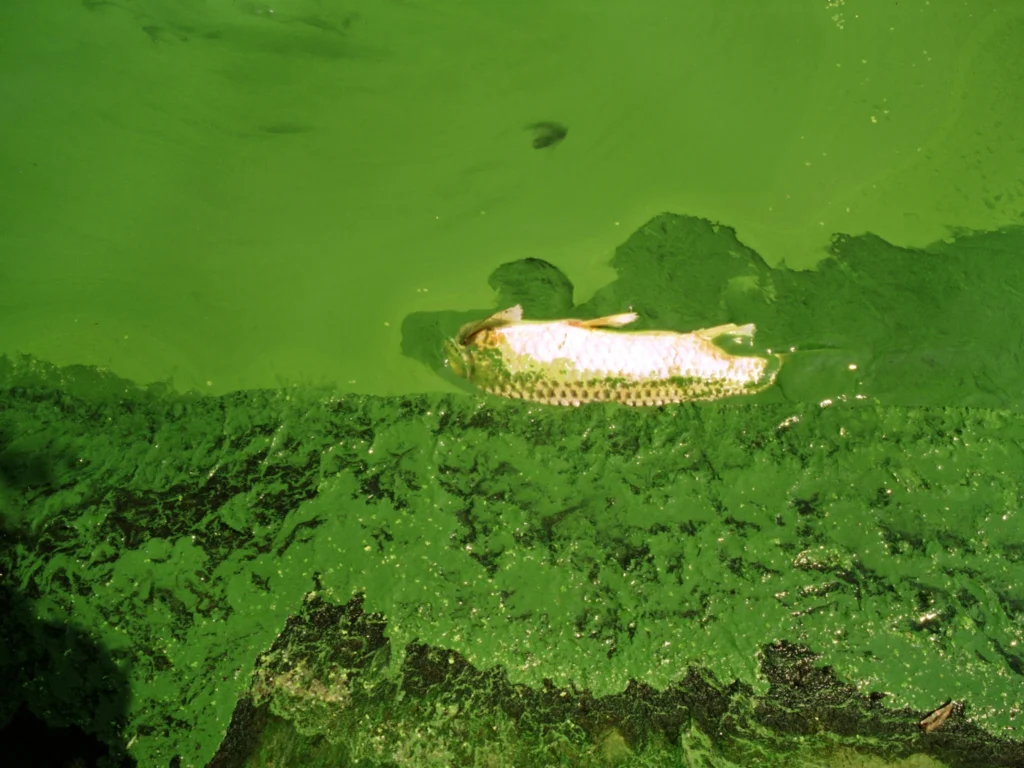
Harmful Algal Blooms (HABs)
Harmful algal blooms are more frequent, more widespread, and harder to manage than ever before. The communities most affected cannot afford to wait for conditions to improve on their own.
Real solutions address both the bloom and the source, because treating symptoms alone only delays the next event.
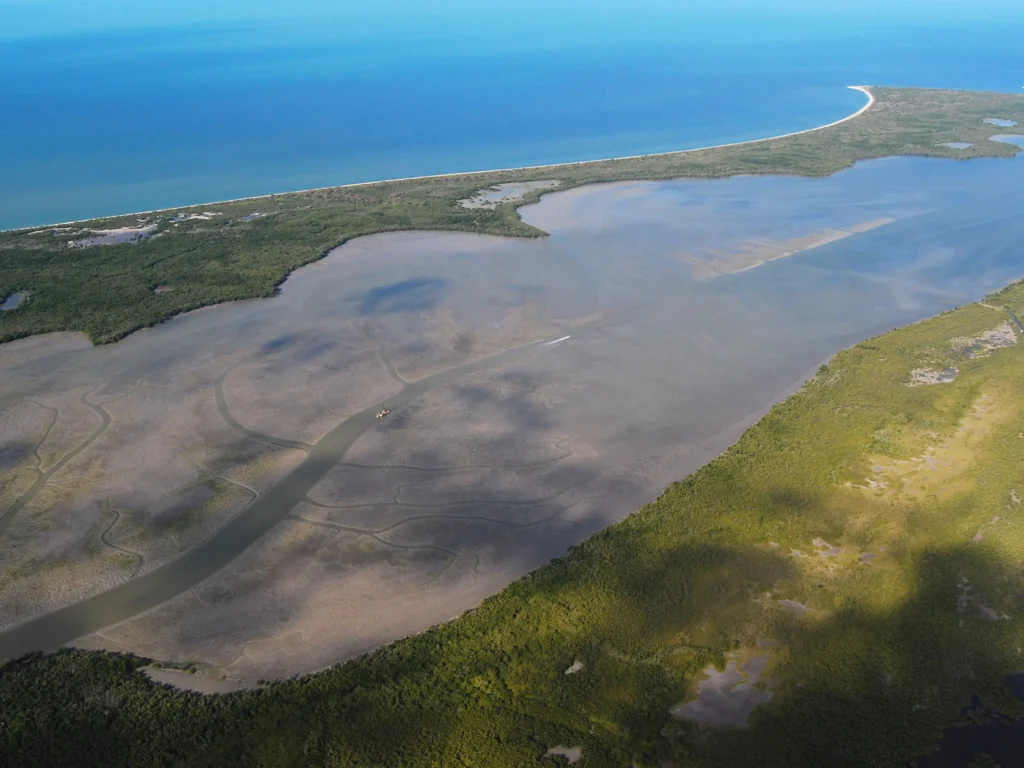
Legacy Sediment Pollution
Watershed controls are an important first step, but they don’t address the nutrients already stored in lake sediments. Those legacy nutrients can fuel algal blooms for decades, quietly undermining recovery efforts.
Without targeting the source, lasting restoration remains out of reach.

Emerging Contaminants
Contaminants like PFAS, pharmaceuticals, and microplastics are showing up in water systems and biosolids with growing frequency.
As compliance requirements tighten and traditional disposal pathways shrink, communities need solutions that are built for where regulations are heading, not just where they are today.
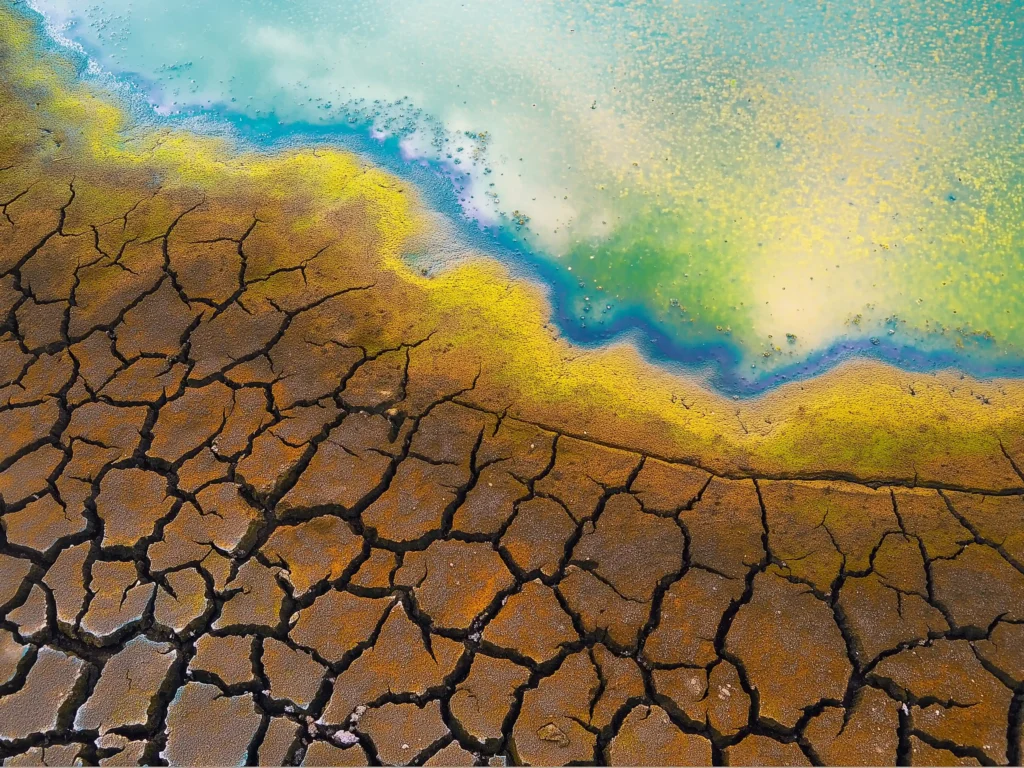
Increasing Hydrologic Extremes
Intensifying storms and prolonged droughts are amplifying water quality challenges across the board. High-flow events mobilize and resuspend nutrients, while low-flow conditions concentrate them but both accelerate harmful algal bloom conditions.
The infrastructure built for yesterday’s climate wasn’t designed for today’s variability. Lasting resilience requires systems that can adapt.
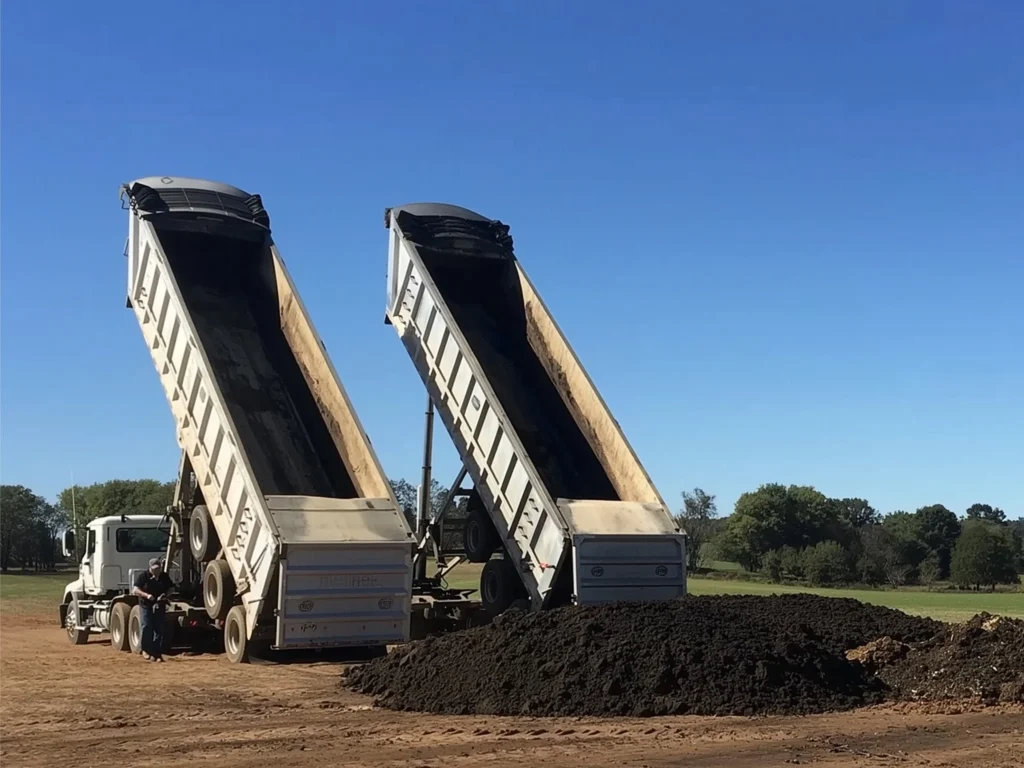
Waste Management Constraints
Biosolids and organic waste aren’t going away, but the options for managing them are shrinking. Restrictions, costs, and public scrutiny are closing doors that communities have relied on for decades.
Waste is no longer simply a disposal challenge, it’s a mounting liability. Unless we choose to see it differently. At BlueCycle, we see it as a resource waiting to be unlocked.
Why Integrated Solutions Matter
Water quality challenges rarely stem from a single source or process and managing one piece in isolation leads to temporary improvement at best.
True recovery requires a whole-system approach
Preventing new nutrient pollution
Removing existing algae and toxins
Stabilizing internal sediment loading
Transforming waste into value
This is the foundation of the BlueCycle Economy
HAB-PREVENT™
Turns off the faucet by intercepting dissolved nutrients upstream.
ALGAE HARVESTING HFT™
Removes algae, toxins, and nutrient-rich biomass already impacting waterbodies
HTL-360™
Transform captures biomass and organic waste into renewable fuels and recoverable nutrients.